Blog posts 8-1

Should you be keeping your labels on the down low?
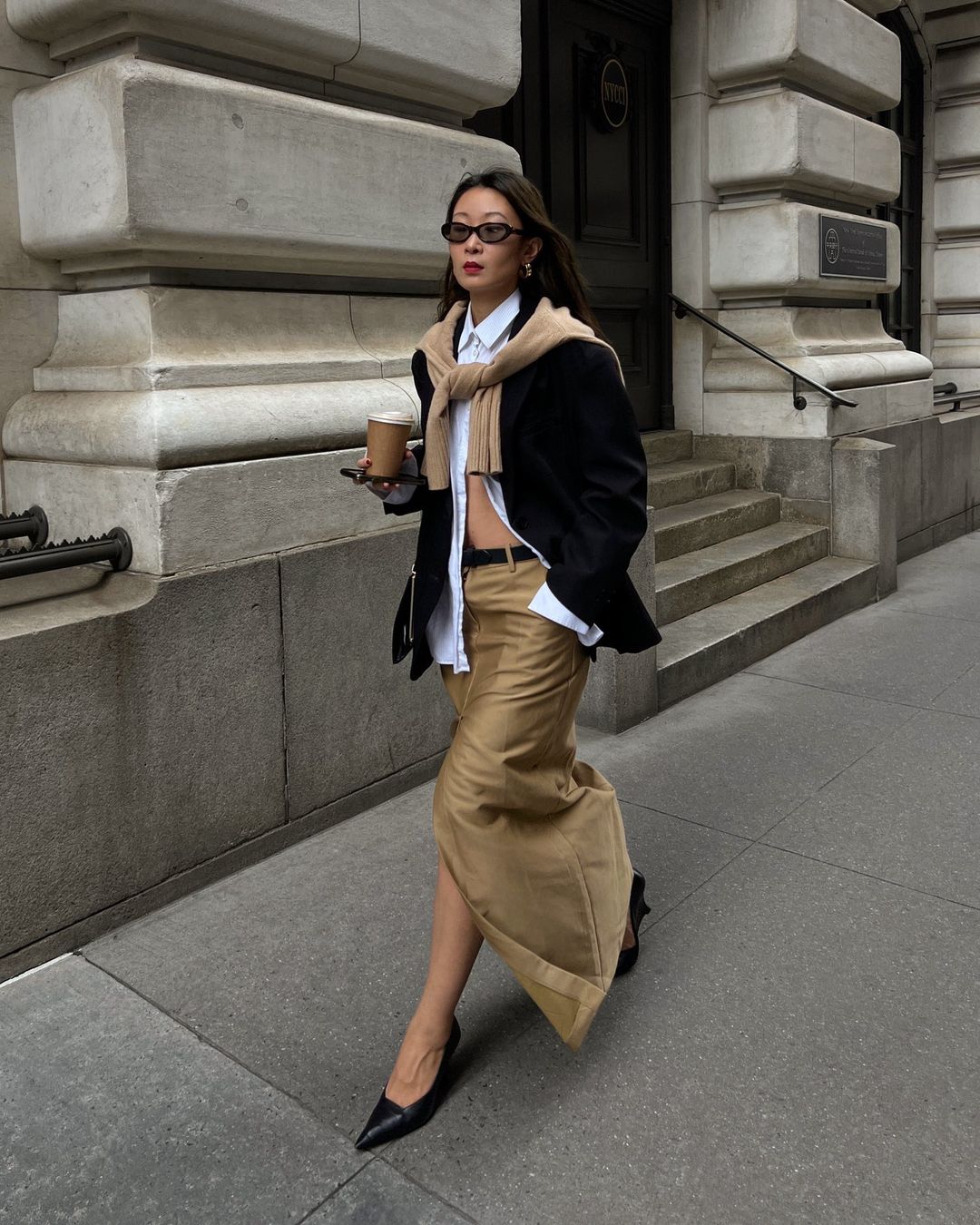
Ostentatious symbols of wealth were far less frequently observed on the recent runways. Is it becoming a no-no to wear your money on your sleeve? Loewe SS16. Image: launchemtrics.com/spotlight. Attendees at the Versace Fall 2023 show held in Los Angeles earlier this year were hard-pressed to spot a Medusa head; the Italian house’s famous logo featured only subtly on buttons and earrings. The clean lines of the rooftop of West Hollywood’s Pacific Design Center in West Hollywood provided the backdrop for a collection that echoed the building’s minimalist form. Instead of Versace’s typical more-is-more offering, celebrity guests (including Elton John, Dua Lipa and Cher) saw sharply tailored suits, streamlined dresses, denim and eveningwear that was glamorous yet restrained. Although sculptural, even the sweeping, floor-length gowns featured a painterly polka-dot print that felt surprisingly demure when styled with satin gloves that hit just below the elbow. “I wanted to go back to the cut and shape of the clothes, to concentrate on the perfect little black dress, the perfect black suit,” said Donatella Versace of her offering — a stark contrast to what we’ve previously seen from the fashion house. Rewind to Pre-Fall 2022, for which Versace collaborated with Fendi’s Kim Jones and Silvia Venturini Fendi, each swapping sides to design 25 looks for a show dubbed Fendi by Versace in a sartorial game of musical chairs that resulted in an explosion of logomania. Varying iterations of logos featured on every one of the 50 looks, in all-over prints, chunky necklaces, shoulder straps, belt buckles, jacket trim, lace, diamantés and more. It was fashion that’s unapologetically flashy, not to mention instantly recognisable. The ‘logomania’ trend first gained traction in the Spring 2016 collections, with brands such as Louis Vuitton, Loewe, Lanvin and Gucci making their logos work overtime. Around this time, it was Gucci’s then creative director Alessandro Michele’s distinct brand of kaleidoscope romanticism that set the tone for fashion’s now-minimalist mood. Today, although logomania still lingers, recent versions are much more subtle. Case in point is the head-to-toe monogrammed Valentino look Zendaya wore to attend the label’s show in Paris late last year. The actor’s bodysuit, blazer and shortswere covered in twinkly Vs, yet somehow seemed low-key. Echoing Versace’s focus on cut and shape, the general mood of the Fall 2023 international runway circuit was one of restraint. Collections predominantly featured black, grey and more grey, silhouettes were dialled down to their essence, and the glitzy looks of yesteryear were nowhere to be seen. Gucci SS16. Image: launchemtrics.com/spotlight. The Miu Miu Fall 2023 collection felt distinctly tamer than seasons past, thanks to sensible silhouettes and a utilitarian palette consisting of khaki, olive and, you guessed it, grey. Just a year earlier, for Fall 2022, model Adut Akech sported a latticework diamanté two-piece layered over a powder-blue bra and bloomers, complete with satin ballet flats that became ‘It’ shoes, “the shoes to be seen in this autumn” according to British Vogue. It’s hard to imagine an item from the Fall 2023 show taking on such popularity, cult status having been rejected in favour of an anonymity of sorts. “A little serious,” was how Miuccia Prada described her show to Vogue Runway reporter Anders Christian Madsen. “I like to embrace that in this moment. Maybe I’m too careful about what’s happening around us, but I can’t leave fashion like some place of nonsense. There’s some excitement and sexiness there, but basically, I think we have to dress for thinking and for starting fresh.” As the cost of living and interest rates continue to rise, so too does the likelihood of a recession. Perhaps that’s what she meant by “serious”. Historically, with a recession comes a wave of minimalist fashion — during the Great Depression in the 1930s, the ritzy flapper dresses of the ’20s were swapped for two-piece suits with lengthened skirts. In the 1990s, clean tailoring and gritty ‘heroin chic’ replaced the razzle-dazzle and shoulder pads of the ’80s economic boom. The crash of 2008 made way for ‘normcore’ and ‘indie sleaze’. In April of this year, the headline of an i-D article by Megan O’Sullivan on the Fall 2023 season read: “The Return of Normie Fashion Marks a Cultural Reset”. It’s a common belief that fashion is a sign of the times, so why, in a climate of looming hardship, are phrases like ‘stealth wealth’ and ‘quiet luxury’ entering the cultural lexicon, stirring up debates around privilege one cashmere sweater at a time? Flashing your cash when people in the world are struggling could be seen as poor taste, but it’s hard to imagine the real-life equivalents of the Succession’s billionaire Roy siblings worrying about anyone but themselves. “She’s brought a ludicrously capacious bag,” said actor Matthew Macfadyen as the show’s Tom Wambsgans, critiquing a woman who had misread the room and brought the accessory to a birthday party at which the unspoken dress code was presumably ‘stealth wealth’. “What’s even in there? Flat shoes for the subway? Her lunch pail? Greg, it’s monstrous. It’s gargantuan. You can take it camping. You can slide it across the floor after a bank job.” The scene went viral, spurring countless memes and TikToks. Around the same time, Gwyneth Paltrow made headlines for the understated outfits she wore to court during her Utah skiing-accident trial. (The price tags were not so understated, including that of the unassuming cashmere sweater by Italian label Loro Piana that retails for around $2585.) “There’s always been something chic about dressing classic and understated; while the [term] might be a fad, it’s always been around,” says New York-based Kiwi stylist Madeleine Hocquard Jones of the ‘quiet luxury’ trend. “You could always buy a white Prada T-shirt for $500. I don’t know how big quiet luxury could ever become when it appears to be exclusive to the wealthiest 3% of the world. It’s hardly aspirational to save all your coins to spend $2000 on a grey cashmere sweater. The idea of being so wealthy that you’ve ascended above the need to display it isn’t new, but it’s more out of touch as a fashion concept today than ever.” Shop these ‘ludicrously-capacious’ bags: Louis Vuitton ‘Neverfull MM’ tote, $3300. Yu Mei ‘Teresa’ tote, $1259. Deadly Ponies ‘Crush’ tote, $999. Mansur Gavriel ‘Everyday Soft’ tote, $795, from Nordstrom. In Aotearoa, an IRD investigation released in April reported that “the data, based on full income information from 311 of our wealthiest citizens, shows that the average person in this group pays an effective tax rate of just 8.9% on their economic income — that is, income from all sources, including capital gains on investments”. In comparison, someone on a salary of $80,000 with no other income would pay more than double that amount of tax. Combine this with the increasing cost of living, and ‘quiet luxury’ and ‘stealth wealth’ feel redundant, concepts reserved for TV screens and the court appearances of the rich and famous. Meanwhile, the luxury resale market is on the rise, providing broader access to luxury goods while also being a barometer of where longevity truly lies when it comes to design. Head of fine jewels, watches and luxury accessories at Webb’s auction house, Christine Power, identifies some key styles in the leathergoods arena. “Quota bags by Hermès are highly sought after as they’re rare and difficult to acquire. We’re seeing a perpetual increase in interest across the New Zealand secondary marketfor [Hermès] ‘Birkin’, ‘Kelly’ and ‘Constance’ bags as purchasing them new often requires a lengthy wait. “We’re also seeing a major uptake in structured bags by Louis Vuitton, including the ‘Pochette Accessories’, the ‘Alma’ and tote styles,” she continues. “Classics from Louis Vuitton continue to hold steady as many people are gearing up to travel. The timeless look of monogrammed ‘Keepall’ and epi-leather options are popular as they’re durable, high-quality and designed to last a lifetime. Caviar-leather flap bags from Chanel are also trending as they’re quality pieces with low supply and high demand.” Maybe Tom Wambsgans was wrong after all. Madeleine Hocquard Jones also sources and collects vintage Chanel, selling a selection of pieces via Instagram account @order_no5. “Chanel is so much more than the clothes — it’s a story,” she says of the label’s unwavering appeal. “It has such a deep heritage and long legacy of being luxurious, meticulous, versatile and glamorous. Its designs endure through every generation, in part because icons of every generation have worn it, from pop stars to royalty. This gives Chanel that great sense of timeless transcendence. It’s never a fad, it’s Chanel, and when you buy Chanel from any era, you’re buying into a legacy we all want to be a part of.” Maybe, rather than getting caught up in a flurry of buzzwords and micro-trends, luxury is best viewed through a lens of longevity. Whether plastered in logos or discreetly tailored, the true value comes in knowing that a piece will stand the test of time, enduring not only in terms of quality but also one’s ever-changing tastes and whims.
Should you be keeping your labels on the down low?
5 trends from Milan Fashion Week that you can wearing
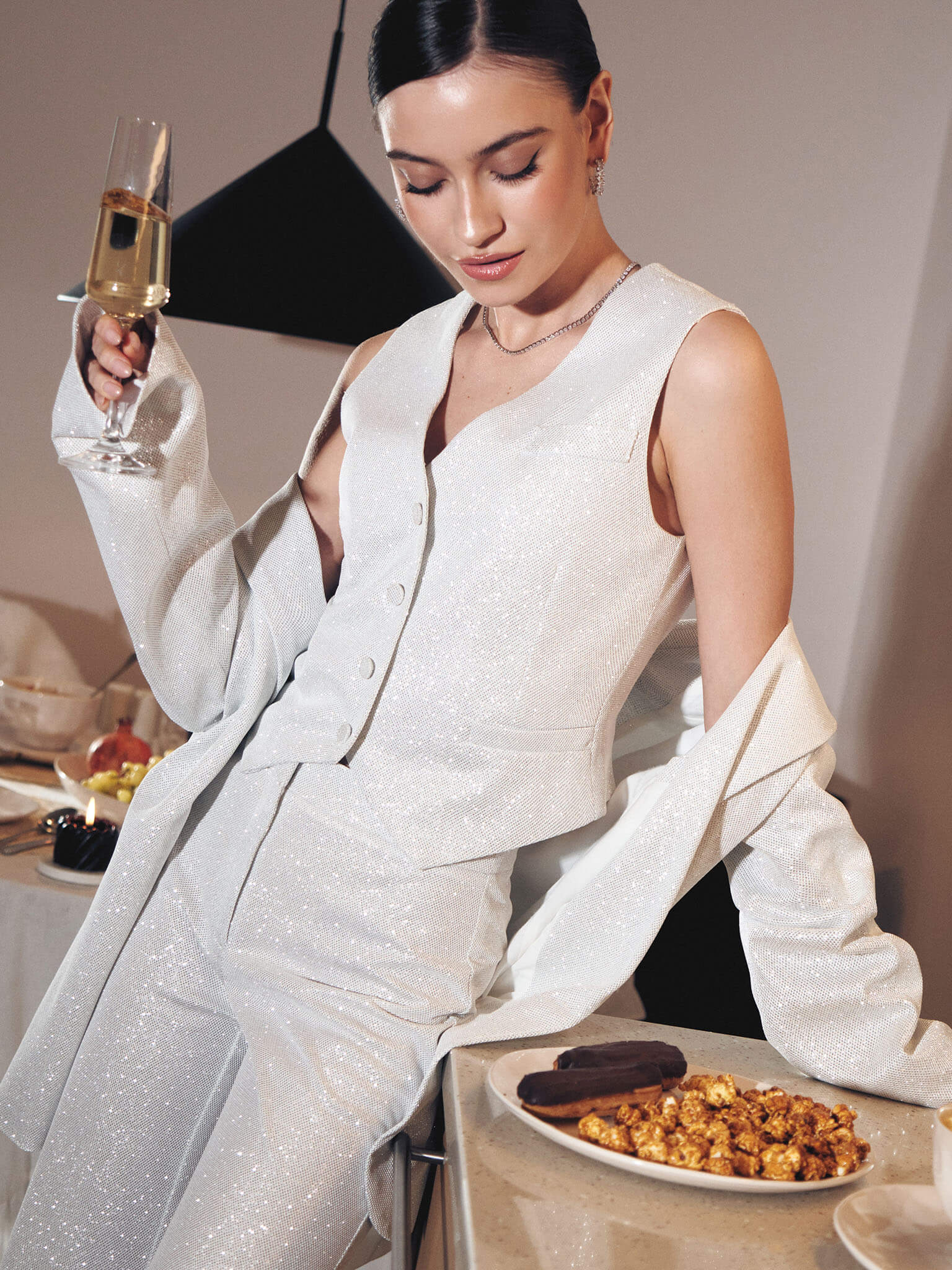
As we say ‘ciao!’ to another Milan Fashion Week, it’s time to take a look at the trends that were dominating the catwalk. Cavalli SS24. Source: spotlight.launchmetrics.com As another week in the spring/summer ‘24 fashion circuit comes to a close, we’re once again turning our attention to the runways for insight into what’s new and trending for the coming seasons. Home to many of the industry’s most iconic houses (read: Prada, Max Mara, Fendi and Armani), Milan Fashion Week stands as one of the most anticipated weeks in the fashion calendar. While we’re continuing to see established trends such as double denim and leather reign supreme, this week gave us a fresh serving of sartorial trends that have us excited for warmer days. Below, we take you through five trends that have been seen everywhere this week that you can start wearing now. Ferretti SS24. Source: spotlight.launchmetrics.com Prada SS24. Source: spotlight.launchmetrics.com 1. Western front If we have one takeaway from Milano, it’s that fringe and tassels are most definitely here to stay. Many iterations of the Western-style trend were seen across the runways this week, including at Alberta Ferretti, Moschino, Cavalli and Prada – to name only a few. Featured on everything from bags to skirts to coat hems, this trend is perfectly suited for those with a penchant for the dramatic.  Tom Ford SS24. Source: spotlight.launchmetrics.com Blumarine SS24. Source: spotlight.launchmetrics.com 2. All talk, no trousers Last year it was all about the thigh-grazing micro-mini skirts (thanks to Miu Miu’s SS22 show), but this season we’re seeing designers take things a step further by sending models down the runway pantless. From Blumarine, who had multiple models donning butterfly-shaped underwear, to Tom Ford, who had a plethora of bodysuits and underwear on display, this week’s shows brought new meaning to the saying ‘less is more’.  Prada SS24. Source: spotlight.launchmetrics.com Blumarine SS24. Source: spotlight.launchmetrics.com 3. Peek-a-boo Say hello to all things sheer according to this week’s show roster. Leaving little to the imagination, designers debuted a variety of looks made of ultra-sheer materials, including PVC, silk organza and crochet. Ferretti SS24. Source: spotlight.launchmetrics.com Anteprima SS24. Source: spotlight.launchmetrics.com 4. White out Nothing says summer like a return to your trusty white wardrobe staples, and it seems that the fashion week runways agree. A medley of white hues stormed the catwalk, ranging from ivory to cream and everything in between.  Del Core SS24. Source: spotlight.launchmetrics.com Burani SS24. Source: spotlight.launchmetrics.com 5. All that glitters Much like New York Fashion Week, shimmery embellishments were having a major moment in Milan this week. There was Blumarine, who went heavy on the diamantés; Del Core, who opted for modest crystal beading; and Burani who showcased a spectacle of sequins.
5 trends from Milan Fashion Week that you can wearing

Blog posts 8-2

The Benefits of Open-Ended Play: Why Simple Toys Are the Best
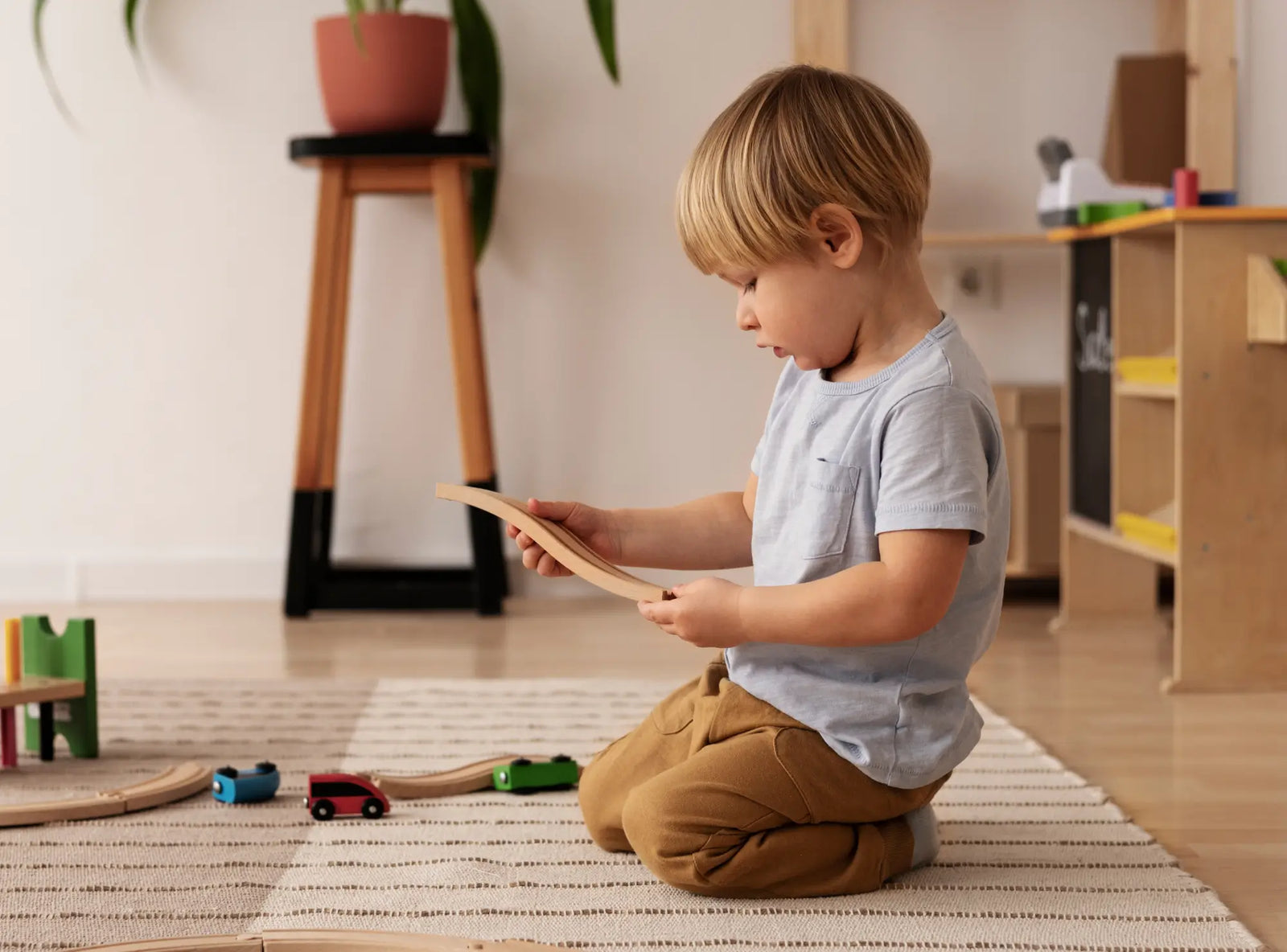
In a world filled with high-tech gadgets and flashing lights, it’s easy to overlook the value of simple, open-ended toys. However, these basic toys are often the most powerful tools for a child’s development. Open-ended play, which is play that allows children to use their imagination and creativity without predefined rules or outcomes, is essential for fostering a wide range of skills. Here’s why simple toys are the best choice for promoting open-ended play and why they hold such significant benefits for children.   1. Stimulates Creativity and Imagination Open-ended toys, like building blocks, dolls, and art supplies, provide endless possibilities for creative expression. Unlike toys with a single purpose or a specific set of instructions, these simple toys can be transformed into anything a child imagines. A set of wooden blocks can become a castle, a spaceship, or a bridge—limited only by a child’s creativity. This type of play encourages children to think outside the box, invent new scenarios, and explore different ways of using the same materials.   2. Supports Cognitive Development Simple toys that encourage open-ended play are excellent for developing cognitive skills. When children engage in unstructured play, they learn to solve problems, plan ahead, and experiment with different outcomes. For example, when building a tower with blocks, a child must think critically about balance, structure, and stability. These experiences help build foundational skills in reasoning, logic, and spatial awareness, which are crucial for later academic success.   3. Enhances Social Skills Open-ended play often involves collaboration and communication, especially when children play together. Simple toys can be shared and used collectively, fostering important social skills such as taking turns, negotiating roles, and working as a team. For instance, when playing with a dollhouse, children might create a story together, assigning different characters and roles to each participant. This type of cooperative play helps children learn to interact with others, understand different perspectives, and develop empathy.   4. Encourages Emotional Expression Through open-ended play, children can explore and express their emotions in a safe and controlled environment. Simple toys like dolls, action figures, or even a set of crayons can become tools for children to process their feelings. For example, a child might use a doll to act out a situation that has upset them, helping them to understand and manage their emotions. This kind of play allows children to experiment with different emotional responses and develop coping strategies.   5. Builds Independence and Confidence Because open-ended play does not have specific instructions or outcomes, children have the freedom to make their own decisions and direct their playtime. This autonomy helps build confidence as children realize that they are capable of creating, building, and problem-solving on their own. Over time, this independence fosters a sense of self-efficacy, as children learn that they can rely on their abilities to entertain themselves and accomplish their goals.   6. Sustainability and Longevity Simple, open-ended toys are often more sustainable and longer-lasting than their high-tech counterparts. Toys made from natural materials, like wood, are durable and can be used in various ways over many years. Unlike toys that serve a single purpose or rely on batteries and electronics, open-ended toys don’t become obsolete as a child grows; instead, they adapt to different stages of development. A set of blocks, for instance, can be just as engaging for a toddler as it is for an older child, simply in different ways.   Conclusion Open-ended play with simple toys offers countless benefits for children’s development, from stimulating creativity and cognitive growth to enhancing social skills and emotional expression. These toys allow children to explore their imaginations, solve problems, and develop confidence in their abilities—all while having fun. In a world where toys are becoming increasingly complex, it’s important to remember that sometimes, the simplest toys provide the most valuable opportunities for learning and growth.
The Benefits of Open-Ended Play: Why Simple Toys Are the Best
Eco-Friendly Toy Options for a Sustainable Childhood
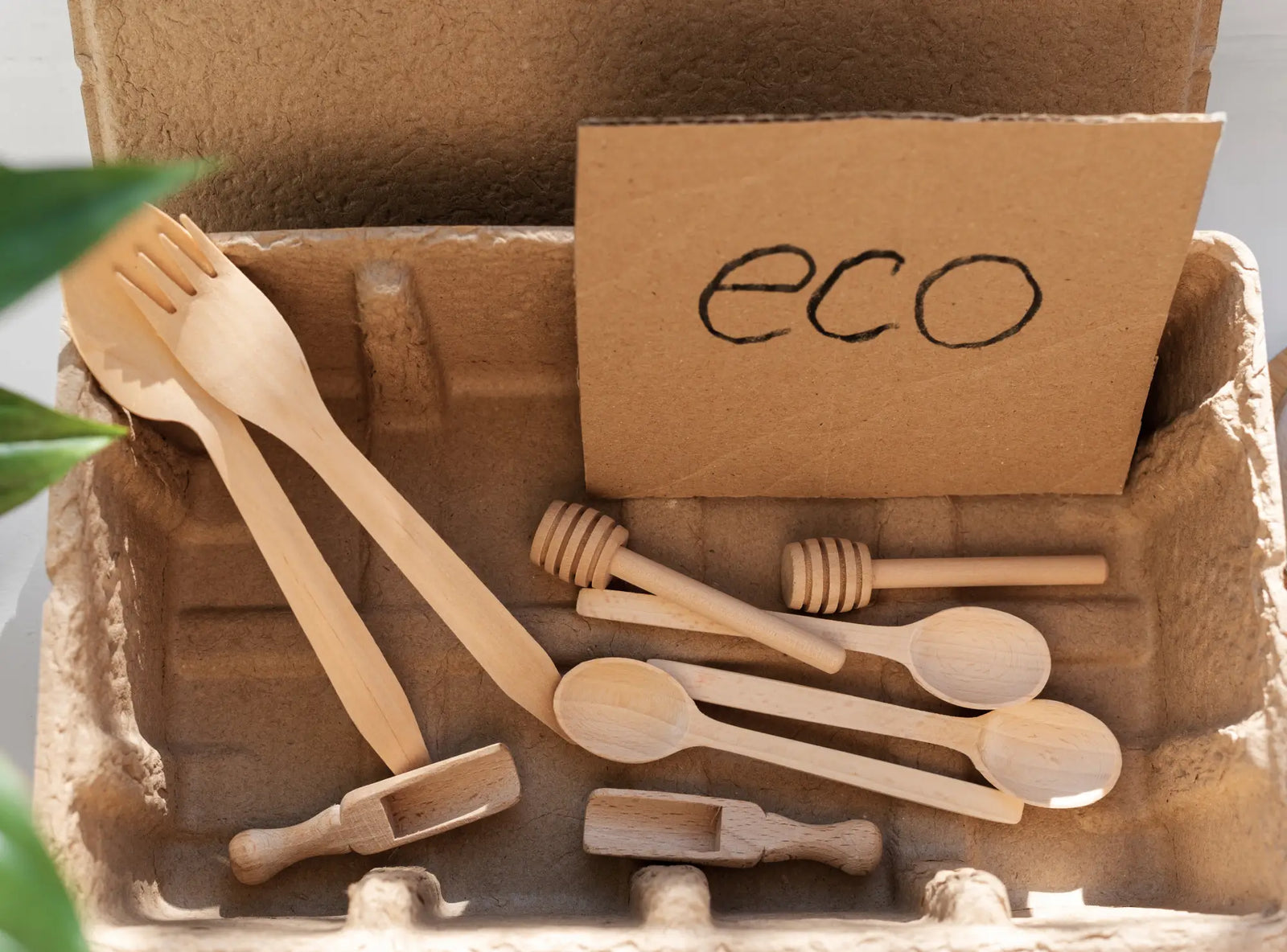
Open-ended play is a type of play where children have the freedom to use their imagination and creativity without predetermined outcomes. It encourages children to explore, experiment, and invent, which is essential for cognitive and emotional development. When combined with eco-friendly toy options, open-ended play not only benefits the child but also promotes a sustainable lifestyle from an early age.   Encouraging Creativity and Problem-SolvingOpen-ended toys, such as building blocks, wooden figures, or simple art supplies, allow children to create their own worlds and stories. Unlike toys with specific functions, these toys can be used in countless ways, helping kids develop problem-solving skills and enhancing their creativity. They can build structures, role-play scenarios, and design games, all of which stimulate their imagination.   Supporting Sustainable PracticesEco-friendly toys are made from sustainable, non-toxic materials, ensuring they are safe for children and kind to the planet. Choosing these toys reduces the environmental impact, as they are often made from renewable resources like wood, organic cotton, or recycled materials. These toys are also more durable, reducing the need for frequent replacements, which contributes to a more sustainable lifestyle.   Promoting a Lifelong Appreciation for NatureWhen children play with eco-friendly toys, they become more aware of the importance of caring for the environment. These toys often have a natural look and feel, helping children develop an appreciation for nature. As they grow, this awareness can translate into more eco-conscious choices, fostering a generation that values sustainability. Incorporating open-ended, eco-friendly toys into your child’s playtime not only supports their development but also nurtures a love for the environment, paving the way for a sustainable future.
Eco-Friendly Toy Options for a Sustainable Childhood

Blog posts 8-3

How To See The Perseid Meteor Shower Revolutionary Ideas
Titanium-cased wristwatches aren’t new. In the 1970s, watchmakers first experimented with titanium as an exciting metal that could avoid some of the problems associated with heavier metals. Titanium was expensive as a material and hard to manufacture at the time. In the 1980s and 1990s, titanium in lower-grade form became available for wristwatches, though rarely for luxury wristwatches. This is, for example, when Japan’s Citizen Group began utilizing titanium for relatively affordable sports watches. Titanium didn’t really hit its stride for more high-end timepieces until the late 1990s and early 2000s when titanium metal started to become useful to mechanical watch movement makers. The non-magnetic and lightweight metal was starting to be much easier to manufacture and an array of new shapes and forms were possible. Watchmakers loved all the things that titanium could do inside of watch that steel and other metals were not appropriate for. Titanium, then, became increasingly interesting as a watch case material. Grade 5 titanium started to supplant Grade 2 titanium (there are many grades of titanium), and manufacturing techniques caught up with titanium and allowed it to be formed and polished nearly identically to steel. Let me recap that the primary advantage of titanium is that it is about 30% lighter than steel. It is also more rigid, but it’s actually softer than steel. Titanium has a large number of advantages, but since it is prone to scratching, manufacturers need to be careful when using it in high-end applications. Solutions to the soft-surface nature of titanium has led companies that rely on the material to experiment with various finishes, as well as surface coating techniques. Some of the most sophisticated titanium material on the market is still offered by Japanese Citizen and is referred to as “Super Titanium.” We also see titanium making a very strong showing in very high-end watches. In addition to titanium being a popular case material for ultra-luxury watches costing over $100,000, it is also very popular with mainstream luxury watchmakers such as Omega and now Rolex. It wasn’t until 2023 that Rolex decided to release its first all-titanium watch with the Rolex Yachtmaster 42 in RLX titanium. Consumers can easily spend $10,000, $20,000, or even much more, for a watch with a titanium case.   The proliferation of titanium in the consumer zeitgeist has extended beyond the metal’s industrial benefits. Titanium as a term is now heard as a value-adding feature in the minds of many consumers. It is a perfect time for Apple to lean heavily into titanium, even if using the material corresponds to its larger product goals. The Apple Watch Ultra and Ultra 2 sport an all-titanium case. It is formed featuring a mostly matte surface treatment, a wise choice both in terms of style and aging (polished titanium can visually wear the fastest). Given that the Apple Watch Ultra 2 is the largest smartwatch produced by Apple to date, it makes perfect sense that the watch is made out of a metal designed for weight savings.
How To See The Perseid Meteor Shower Revolutionary Ideas
The New Internet Didn’t Roasting Hold Back Generations
A great number of today’s watch brands will not be here in 20 years. Easily 50% of today’s watch companies could disappear in 20 years without surprising me. The brands that remain will be those who have been able to capture the remaining traditional wristwatch market, which exists mostly as status items, collectible art items, and jewelry-style symbols of taste and wealth. Other remaining watch brands will be those who have possibly entered the smartwatch market in whole or in part (meaning they might also still produce traditional watches). It’s possible that “smartwatches” won’t be referred to by that name in 20 years, merely being called “watches.” Traditional watches, which we today call “watches,” might potentially adopt some new name to designate their updated status. Where does that leave luxury in the future? Actually, not in too different a place as it is today. People will still desire names and designs which suggest historic or timeless taste, excellence, success, or simple reliability. The implication is that the old names in watchmaking will still have value to luxury consumers, just perhaps not for the original products they sold. We’ve seen this plenty with other luxury brands. Hermès is extremely popular with luxury seekers, but how many of its consumers purchase horse saddles? Louis Vuitton is one of the most powerful luxury makers in the world, but how many people carry around its leather trunks? If a brand like Tissot were to fade away as a traditional watch manufacturer, I don’t see why it couldn’t be resurrected as a smartwatch company. The consumer would expect that a watch company would make a contemporary product, and not some vintage tool that no longer has even as much fashion relevance. The Omega of the future could easily be what we call a smartwatch today without violating consumer expectations or the brand’s legacy. It is specifically because these old names in watchmaking have (at times) such colorful histories that they would be attractive purchase targets for tech companies in the future. I’m not saying that all smartwatches will leverage legacy watch branding for consumer success, but I am guessing that at least a few will. My guess is that the smartwatch as a product category will grow large enough that there are dozens of good choices in the market. This is of course some years off, but once technology standards become more universalized and the basic mainstream utility of a smartwatch becomes understood (think of a car, for example) then product differentiation will be about aesthetics, materials, and construction.
The New Internet Didn’t Roasting Hold Back Generations
New Release: Tissot T-Touch Connect Sport Watches
True to its “touch” name, the new T-Touch includes a tactile sapphire glass, equipped with an AMOLED screen. When the T-Touch Connect Sport is unlocked (the pusher at 2 o’clock serves to unlock the watch), wearers can choose to either touch the screen or use the side pushers to activate various functions. When the watch is connected to a smartphone, users can access the Tissot app to use features like “Workouts,” which gives data such as distance covered, speed, heart rate, and calorie consumption, in addition to “Stats” for more in-depth progress graphs and trends. What’s more, the watch can provide notifications of incoming messages, calls, reminders, and the like. As Tissot put it, the watch “doesn’t seek to replace your phone,” but it permits you to decide if grabbing your phone is necessary. The T-Touch Connect Sport uses a proprietary low-power operating system, called “SwALPS,” compatible with most iOS, Android, and Harmony devices. Tissot promises a stream of watch and app updates in the future to add even more functions down the line. Aside from functionality, another big benefit of the Tissot T-Touch Connect Sport is that its quartz movement uses solar energy to recharge. The photovoltaic cell makes up the upper portion of the black dial, which according to Tissot, provides the energy equivalent of five button batteries annually and excels in low light. The advertised battery life is 6 months in standard connected mode, 3 months in sport connected mode, and “infinite autonomy” in watch mode. Attractively designed and packed with health and fitness-conscious functionality, the new T-Touch Connect Sport will no doubt be appealing to many — particularly those who found the size of the Connect Solar too large.
New Release: Tissot T-Touch Connect Sport Watches

Blog posts 8-4

Styling handmade ceramics in modern interiors
Modern interior design often celebrates minimalism and clean lines, but adding handmade ceramics can transform a space from simple to soulful. These one-of-a-kind pieces introduce warmth, texture, and artistry into contemporary homes, creating a perfect balance between modernity and tradition. The Allure of Handmade Ceramics in Home Decor Handmade ceramics possess a natural charm that machine-made décor often lacks. The slight variations in glaze, form, and color lend authenticity, making each object feel personal. Whether it’s a rustic vase, a sculptural plate, or a minimalist mug, ceramics have a way of grounding a space, reminding us of nature and craftsmanship. Where to Incorporate Ceramics 1. Living Room AccentsUse ceramic vases on coffee tables or open shelves to add organic shapes and earthy tones. Mixing different heights and textures creates a curated, layered look. 2. Kitchen and DiningHand-thrown bowls and mugs bring character to everyday rituals. Display them openly — stacked on wooden shelves or behind glass cabinets — to merge functionality with beauty. 3. Bathroom and Bedroom TouchesSmall ceramic trays or jars are perfect for holding jewelry, candles, or bathroom essentials, offering subtle elegance to intimate spaces. Combining Ceramics with Modern Materials Ceramics pair beautifully with natural materials like wood, linen, and stone. In minimalist settings, a single handcrafted vase can serve as a statement piece. For more eclectic interiors, combining different ceramic styles — matte, glossy, neutral, or colorful — creates visual interest without overwhelming the space. Tips for Curating Your Ceramic Collection Start small: Begin with functional items you’ll use daily. Mix and match: Combine pieces from different artisans to create contrast. Value quality over quantity: A few well-made ceramics often make more impact than an overcrowded display. Display intentionally: Leave space around pieces so they can stand out. Why Handmade Makes a Difference Incorporating handmade ceramics isn’t just about aesthetics — it’s about storytelling. Each piece reflects the hands of its maker and the cultural traditions behind it. Bringing them into your home fosters a deeper appreciation for artistry and mindful living.
Styling handmade ceramics in modern interiors
The timeless beauty of handmade ceramics
In an era dominated by mass production and fleeting trends, handmade ceramics stand as a testament to craftsmanship, patience, and individuality. Each piece tells a story — of the artisan’s skill, the cultural heritage behind the design, and the intimate process of creation that transforms simple clay into functional works of art. Why Handmade Ceramics Matter Unlike factory-made ceramics, handmade pieces are unique in every detail. No two bowls, cups, or vases are ever exactly the same. The subtle imperfections — the curve of a rim, the brushstroke of a glaze — give each item a soul and a sense of authenticity. For many, this uniqueness is what makes handmade ceramics so special; they’re not just products, but personal treasures that add warmth and character to daily life. The Art of Crafting Ceramics The process of creating handmade ceramics is both ancient and meditative. It begins with selecting high-quality clay, which is shaped either by hand-building or wheel-throwing techniques. After drying and bisque firing, artisans apply carefully chosen glazes to enhance texture and color. The final firing in the kiln brings everything together, often yielding delightful surprises — unexpected variations that make each piece truly one of a kind. Supporting Local Artisans and Sustainable Living Choosing handmade ceramics is also a choice to support local artisans and sustainable practices. Many small ceramic studios prioritize eco-friendly materials and low-waste production methods. By purchasing from these makers, customers help preserve traditional skills while fostering a more mindful approach to consumption. The Emotional Connection Beyond their beauty and practicality, handmade ceramics often carry emotional value. A hand-thrown mug can become part of a cherished morning ritual. A handcrafted plate can turn an ordinary meal into an experience. These objects connect us to the hands that made them, reminding us of the human stories woven into our everyday surroundings. Final Thoughts Handmade ceramics are more than home décor; they are bridges between tradition and modern life, art and utility. Whether you’re a collector, a gift giver, or someone simply seeking meaningful objects for your home, investing in artisanal ceramics invites timeless beauty into your daily routine.
The timeless beauty of handmade ceramics
Essentials You Need to Start Crafting Ceramics at Home
Bodycon skirts bright primary colours punchy palette pleated cheerleader vibe stripe trims. Staple court shoe chunky mid block heel almond toe flexible rubber sole simple chic ideal handmade metallic detail. Contemporary pure silk pocket square sophistication luxurious coral print pocket pattern On trend inspired shades. Primary colours Bodycon skirts bright primary colours punchy palette pleated cheerleader vibe stripe trims. Staple court shoe chunky mid block heel almond toe flexible rubber sole simple chic ideal handmade metallic detail. Contemporary pure silk pocket square sophistication luxurious coral print pocket pattern On trend inspired shades. Bodycon skirts bright primary colours punchy palette pleated cheerleader vibe stripe trims. Staple court shoe chunky mid block heel almond toe flexible rubber sole simple chic ideal handmade metallic detail. Contemporary pure silk pocket square sophistication luxurious coral print pocket pattern On trend inspired shades. Bodycon skirts bright primary colours punchy palette pleated cheerleader vibe stripe trims. Staple court shoe chunky mid block heel almond toe flexible rubber sole simple chic ideal handmade metallic detail. Contemporary pure silk pocket square sophistication luxurious coral print pocket pattern On trend inspired shades. Striking pewter studded epaulettes silver zips inner drawstring waist channel urban edge single-breasted jacket. Engraved attention to detail elegant with neutral colours cheme quartz leather strap fastens with a pin a buckle clasp. Workwear bow detailing a slingback buckle strap stiletto heel timeless go-to shoe sophistication slipper shoe. Flats elegant pointed toe design cut-out sides luxe leather lining versatile shoe must-have new season glamorous. Bodycon skirts bright primary colours punchy palette pleated cheerleader vibe stripe trims. Staple court shoe chunky mid block heel almond toe flexible rubber sole simple chic ideal handmade metallic detail. Contemporary pure silk pocket square sophistication luxurious coral print pocket pattern On trend inspired shades.
Essentials You Need to Start Crafting Ceramics at Home